March 23, 2026
Conference on Medicine and Religion — Houston, Texas
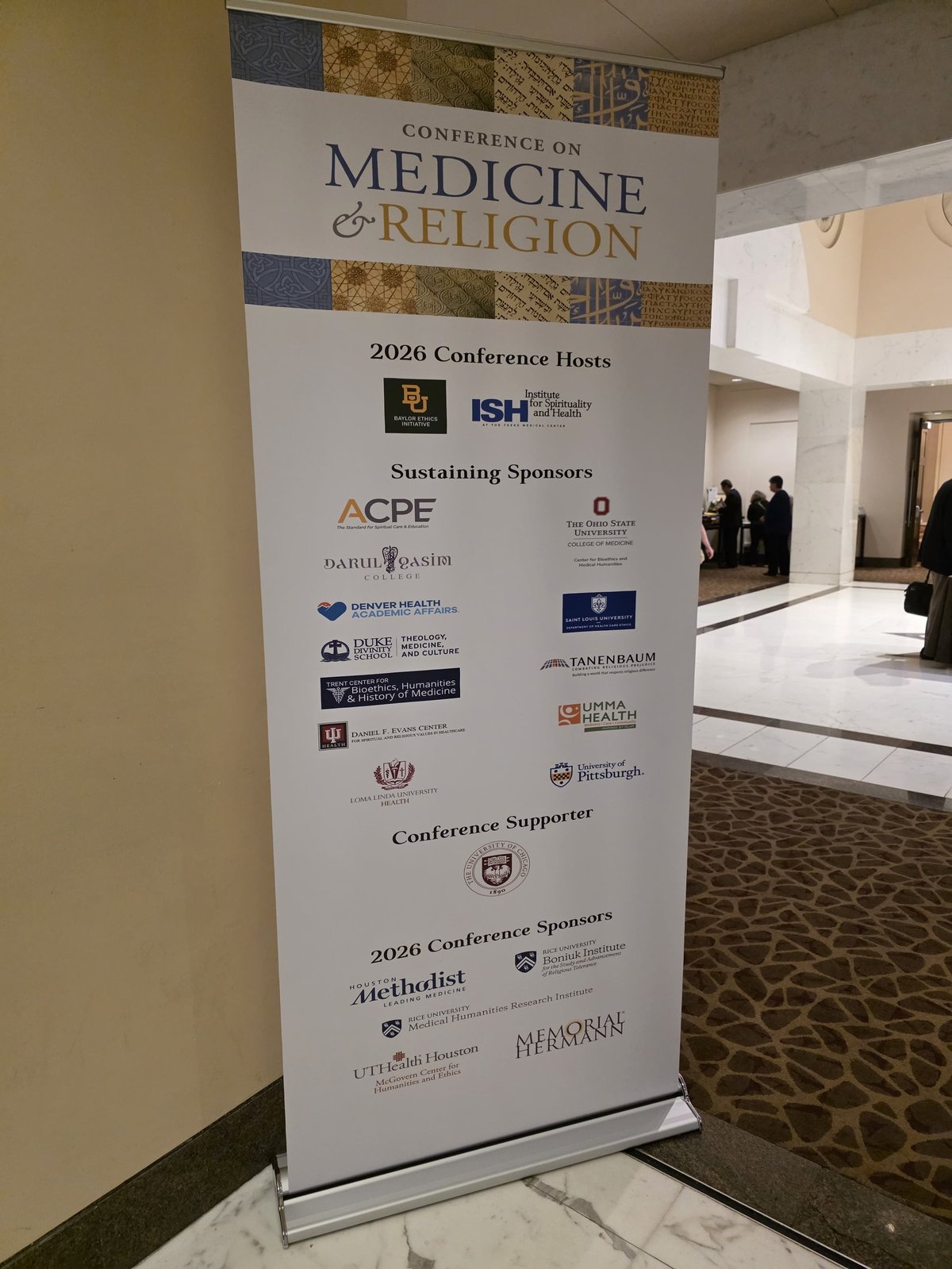
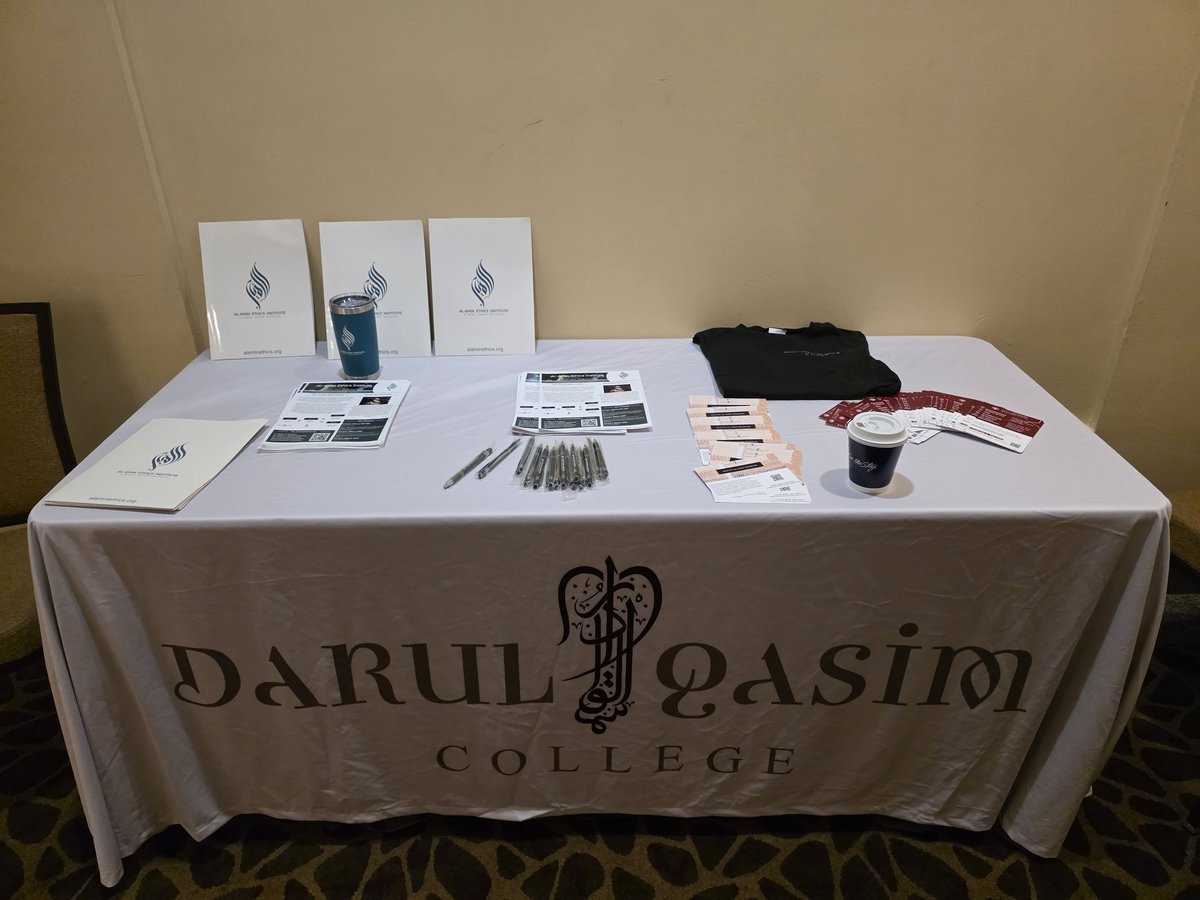
Darul Qasim College and Al Amin Ethics had a strong showing at the 2026 Conference on Medicine and Religion (CMR), being held in Houston, Texas. CMR is a pre-eminent academic conference dedicated to the intersection of medicine and religion in America.
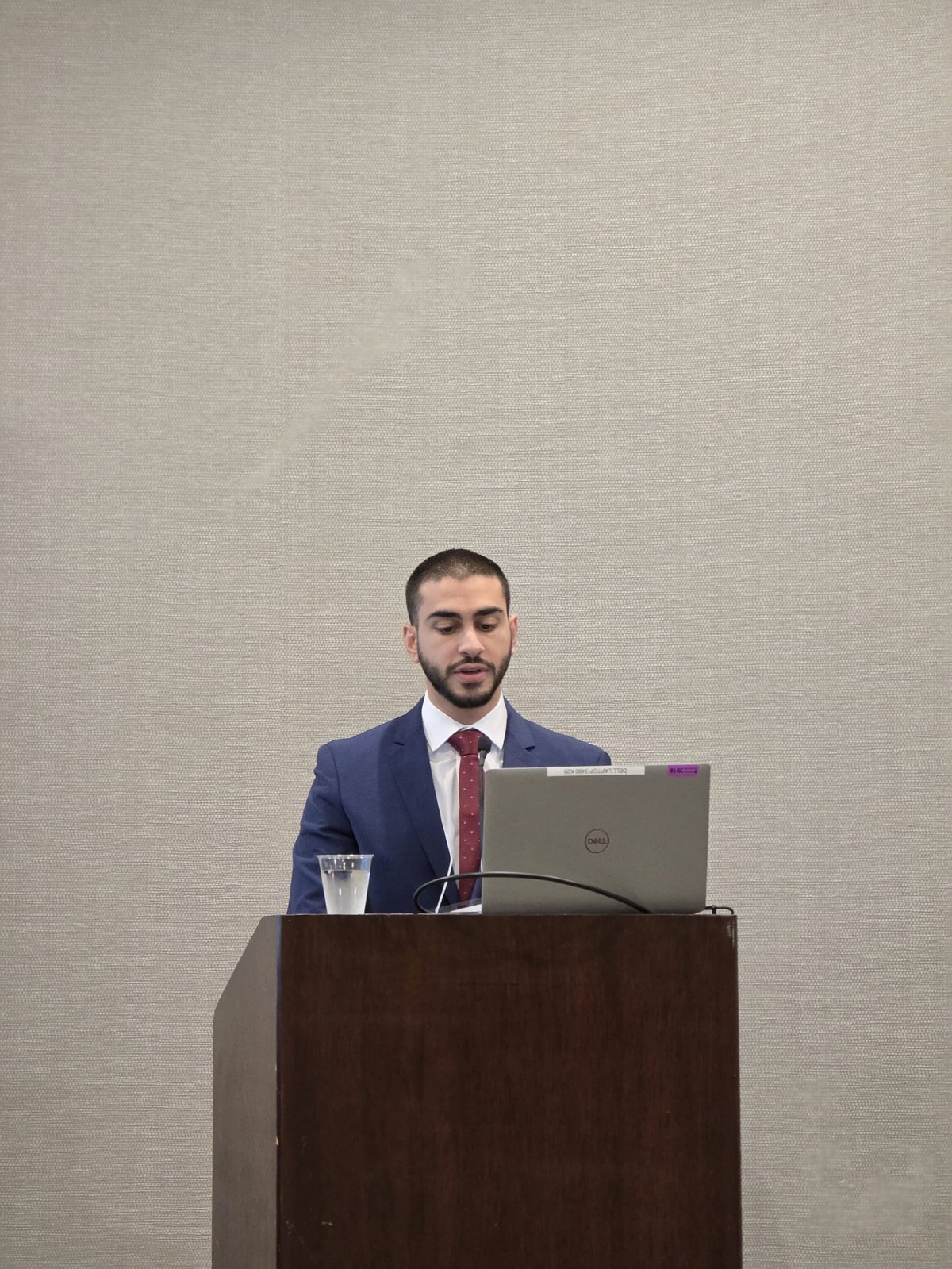
We began with a talk on, "Historical and Contextual Analysis of the Prophetic Voice of Healing from the Muslim Tradition." This was given by Dr. Samer Wahood who explained how Shaykh Amin reframed knowledge from "secular" and "sacred" to "beneficial" and "more beneficial" in order to unify knowledge under one framework.
In addition, Samer shared how Shaykh Amin encouraged us to rethink our understanding of "Tibb al Nabawi," derived from Hadith literature, as not necessarily a literal guide to medicine, but rather as an encouragement from RasulAllah (ﷺ) to find halal cures.
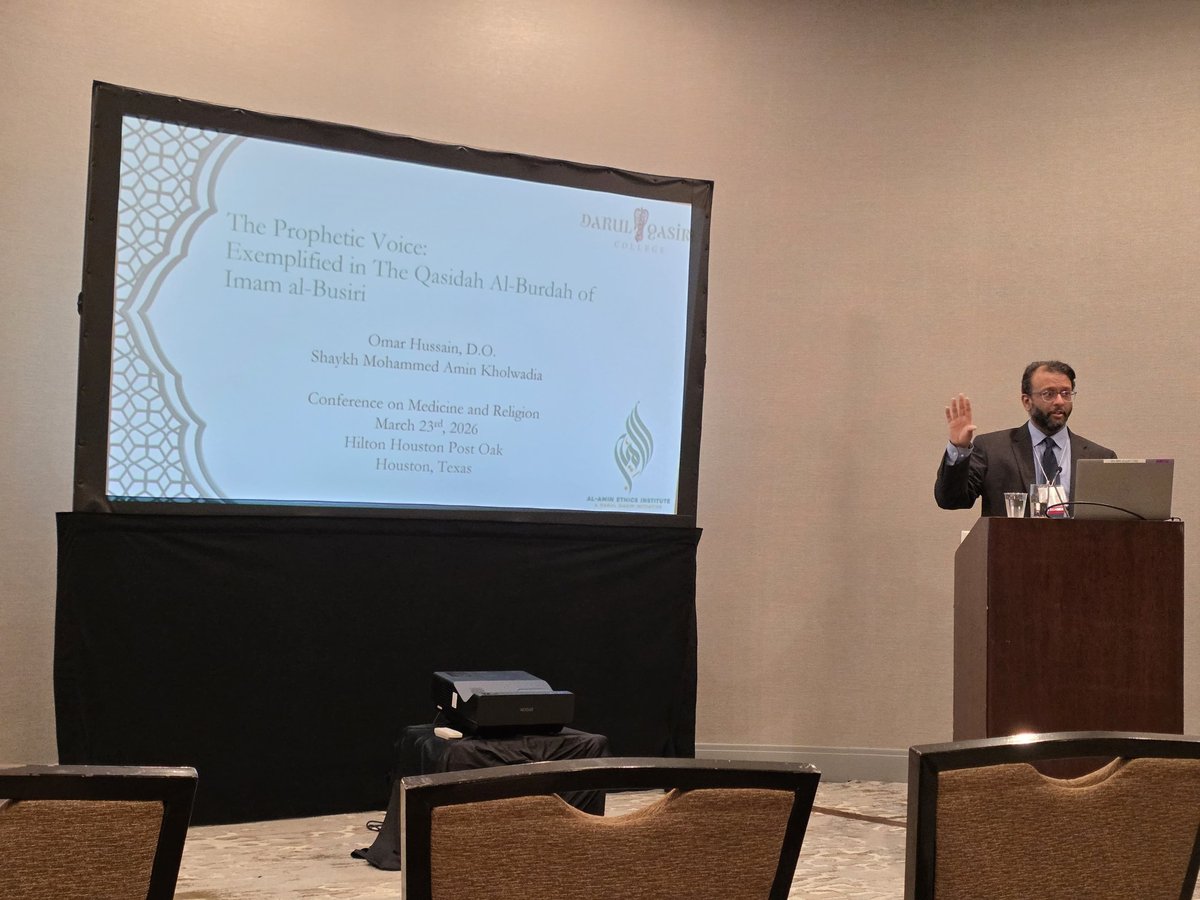
We then moved to Dr. Omar Hussain's presentation, "The Prophetic Voice in Practice: Du'a (Supplication) and Qur'an Recitation as Primary Healing Modalities." Dr. Hussain took Shaykh Amin's analysis of Imam Busiri's Qasida Burdah and showed how love for the Prophet (ﷺ) can attract Allah's shifaa.
Dr. Hussain also introduced a framework of illness that includes the possibility that not all illness is simply biological and that we need to treat insaan holistically, including all of our faculties, biological and spiritual.
The peak of the conference was the panel presentation, "A Muslim Perspective on Using the Prophetic Voice to Address Moral Injury in Medicine." Dr. Ahsan Arozullah introduced how moral injury is affecting healthcare, while Drs. Asim Babar, Yasir Akhtar, and Umar Shakur shared their own experiences with moral injury and how Al Amin Ethics helped them navigate it under Shaykh Amin's guidance.
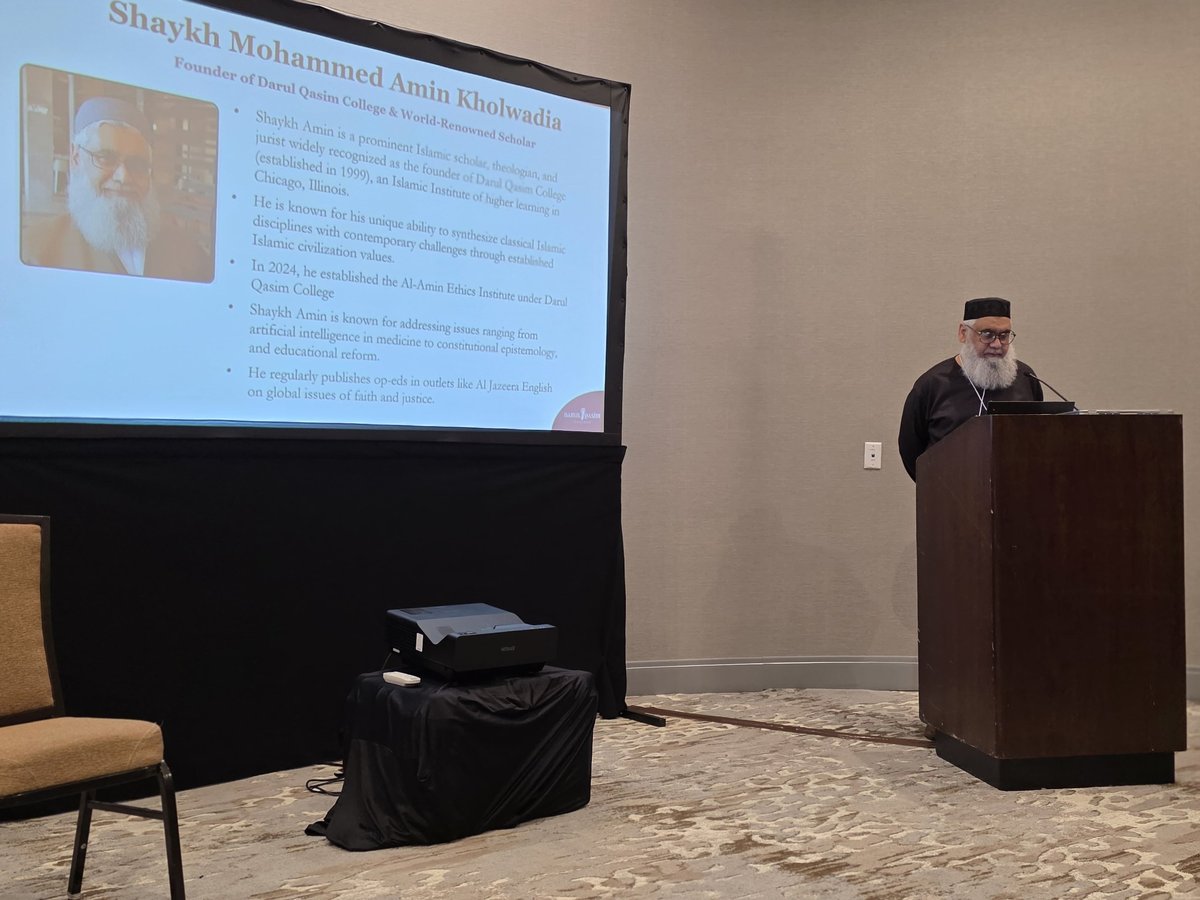
But the real moment was when Shaykh Amin Kholwadia took the stage and offered a framework for moral injury as being situated in insaan's desire to take moral responsibility — a desire rejected by the rest of creation because of its burden.
As Allah warns in Surah Al Ahzab, there is a real risk that this desire can be corrupted by arrogance and injustice. On the other end, Allah cautions the Prophet (ﷺ) that "will he (ﷺ) kill himself if they (non-Muslims) do not convert?" And in this, the Prophet (ﷺ) is reminded that the outcome is Allah's, and his (ﷺ) responsibility is to convey, not convert.
With this in mind, Shaykh situated moral injury between the practitioner's dedication and the practitioner's obsession for the intended result (a cure). Shaykh then introduced that salaam and sukoon are to be found in the balance between these impulses through the guidance of a mentor, or a shaykh.
Shaykh Amin's talk was very well received by the audience, and non-Muslims asked many questions. In general, the talk reinforced the status of Shaykh Amin in the mainstream academic community, the power of Muslim intellectual swagger, and the fact that when Islam is presented intellectually it appeals to everyone.
Next year, the conference comes home to Chicago and we hope that everyone in Al Amin Ethics registers to see how Shaykh Amin demonstrates Islam's intellectual superiority through his mastery of beneficial and more beneficial knowledge, in a manner that is received and respected by all.
© 2026 Al-Amin Ethics Institute. All rights reserved.